Inventory & Supplies
How to Organize Tire and Consumables Stock Control
A practical guide for tyre workshop owners on stock balance control, write-offs, stock norms, and checks so inventory works without shortages or losses.
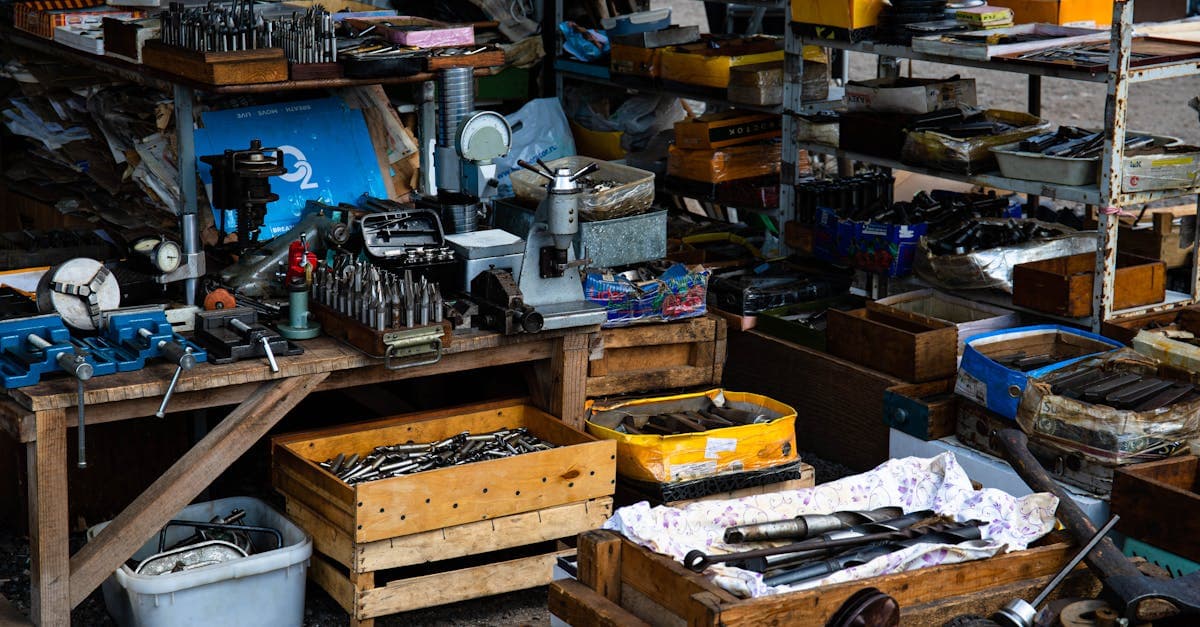
How to bring stock balances under control in a tyre workshop
If your workshop often runs out of the right consumables while other items sit untouched on the shelf, the issue is usually not purchasing — it is the process. A tyre workshop owner needs more than a list of products. You need a clear operating model: what is stored, how much should be kept, who writes items off, when stock is checked, and how inventory connects to work orders.
Inventory chaos affects revenue directly. A technician waits for a valve, a customer waits for the car, the front desk searches manually, and cash gets tied up in excess tyres, weights, sealants, and other supplies. That is why stock balance control is not a separate task — it is part of shop management. This is where a tyre workshop CRM becomes useful, because inventory, work orders, and reporting stay connected in one workflow.
What exactly should be controlled
Start by dividing your inventory into clear groups. This makes control easier for the owner, the front desk, and the technicians.
- Tyres — seasonal stock, customer sets, and dormant stock;
- Consumables — valves, weights, plugs, sealants, balancing materials;
- Small tools and one-time-use items — the items that disappear quietly if nobody tracks them;
- Special-order items — products bought for a specific job or customer request.
Once the categories are clear, it becomes easier to set stock norms. For example, you can keep a minimum level for the next 3–5 working days and a separate reserve for peak season. That turns inventory from a guess into a managed system.
Where the owner should begin
Do not try to digitize everything perfectly on day one. Start with three steps: physical count, categorization, and a write-off rule. First, count the actual stock. Then mark items by category. Only after that should you set minimum levels. This gives you a real baseline instead of inherited errors from spreadsheets.
Owner tip: if a material is used every day, it should be written off from the work order, not from memory at the end of the week. That single rule improves discipline and reduces losses on small items very quickly.
How to build a process without extra bureaucracy
A practical workflow for a small or mid-sized tyre shop is simple: every operation is recorded in a work order, and consumables are linked to the completed job. If a technician used a valve, plug, or weight, that item should be captured immediately, not reconstructed later from memory. Then the stock balance becomes live data, not paperwork.
To make this work, you need a standard workflow for work order management: open the job, record the task, write off the material, close the job. When the process is consistent, the front desk spends less time correcting mistakes, and the owner gets a clearer picture of margin and stock usage.
Less manual work, more visibility
Ideally, staff should not maintain separate spreadsheets. All stock movements should be recorded in one place. This is especially important if you have multiple bays or multiple locations. The same item can move at different speeds across locations, and without centralized control you will not see where waste or overuse is happening.
If you already have a team standard for receiving stock, your staff begins to work from one rule set: received items are logged, used items are written off, and low stock items trigger a purchase request.
Important: inventory should not be checked “once a month.” For consumables, that is too late. You need daily movement tracking in work orders and a short stock review at least once a week.
Common inventory mistakes
Most stock problems repeat from shop to shop. These are the most common ones that create shortages and losses.
- One mixed warehouse for everything — tyres, chemicals, and fasteners stored together;
- Writing off stock at purchase time — the item arrived, so it is mentally treated as already used;
- No minimum levels — orders are placed only after the item is already out of stock;
- No clear owner — everyone knows the issue, but nobody is accountable;
- Counting only after the season — losses are discovered far too late;
- No analytics — the owner cannot see which items move faster than expected.
If you have already reviewed the manual vs CRM approach to stock balances, use it as a baseline for your internal standard. The next step is not another comparison — it is implementation.
How this affects technician payroll and motivation
Inventory and payroll are more connected than they look. When technicians write off materials correctly, the owner gets a reliable base for productivity, bonuses, and quality control. If consumables are tracked poorly, it becomes hard to separate real usage from waste, haste, or mistakes.
That is why stock control is also part of staff payroll. Transparent tracking reduces disputes: what was used on a job, what was issued for work, what stayed on the bay, and what was wasted. If you want to build a cleaner payment process without manual spreadsheets, see the article about payroll accruals for tyre workshop owners.
Practical owner checklist
| Task | Frequency | Owner |
|---|---|---|
| Full stock count | At launch and after major seasons | Owner or senior manager |
| Reconcile actual vs recorded stock | Once a week | Front desk manager |
| Write off consumables through work orders | Daily | Technician |
| Check minimum stock levels | Daily or via automatic alerts | Front desk manager |
| Review overuse and shrinkage | Once a month | Owner |
| Adjust stock norms | After the season | Owner together with the manager |
If your system includes analytics, the owner can quickly see which items disappear faster than expected, where losses occur, and which bays show unusual consumption. That is not just inventory control — that is workshop analytics that improves profitability.
FAQ
How often should stock be counted?
Consumables should be checked weekly, while expensive or seasonal items may need more frequent review. In smaller shops, a short daily spot check plus a full weekly count works well.
What if recorded stock and physical stock do not match?
Stop making random corrections, recount the problem items, identify the source of the mismatch, and enforce a write-off rule through work orders. Otherwise, the same error will return.
Should tyres and consumables be tracked separately?
Yes. Tyres are high-value and seasonal, while consumables are low-value but frequent. They require different control logic and different reorder rules.
How do I decide on minimum stock levels?
Use average daily consumption and seasonality. A good starting point is stock for several working days plus a safety buffer for peak hours.
Can a workshop run inventory without CRM?
It can, but manual control breaks down quickly as volume grows. A tyre workshop CRM keeps the job, the write-off, the balance, and the responsible person in one place.
Where should I start?
Start with a physical count, a list of critical items, and one simple rule: every job must close with material usage recorded. Then add analytics and low-stock alerts.
What to do next
If you want to stop losing money to stock chaos, start with the process, not with purchasing. Set norms, connect write-offs to work orders, assign responsibility, and review the numbers weekly. That is how inventory becomes manageable instead of random.
TyreCRM helps connect bookings, inventory, technician workflows, and analytics in one system. If you want more control over stock, revenue, and multi-bay operations, it is a strong next step.