Inventory & Supplies
Scaling Materials Write-Offs Across Locations
How to standardize materials write-offs in work orders across multiple locations, cut inventory chaos, and tie stock control to revenue growth.
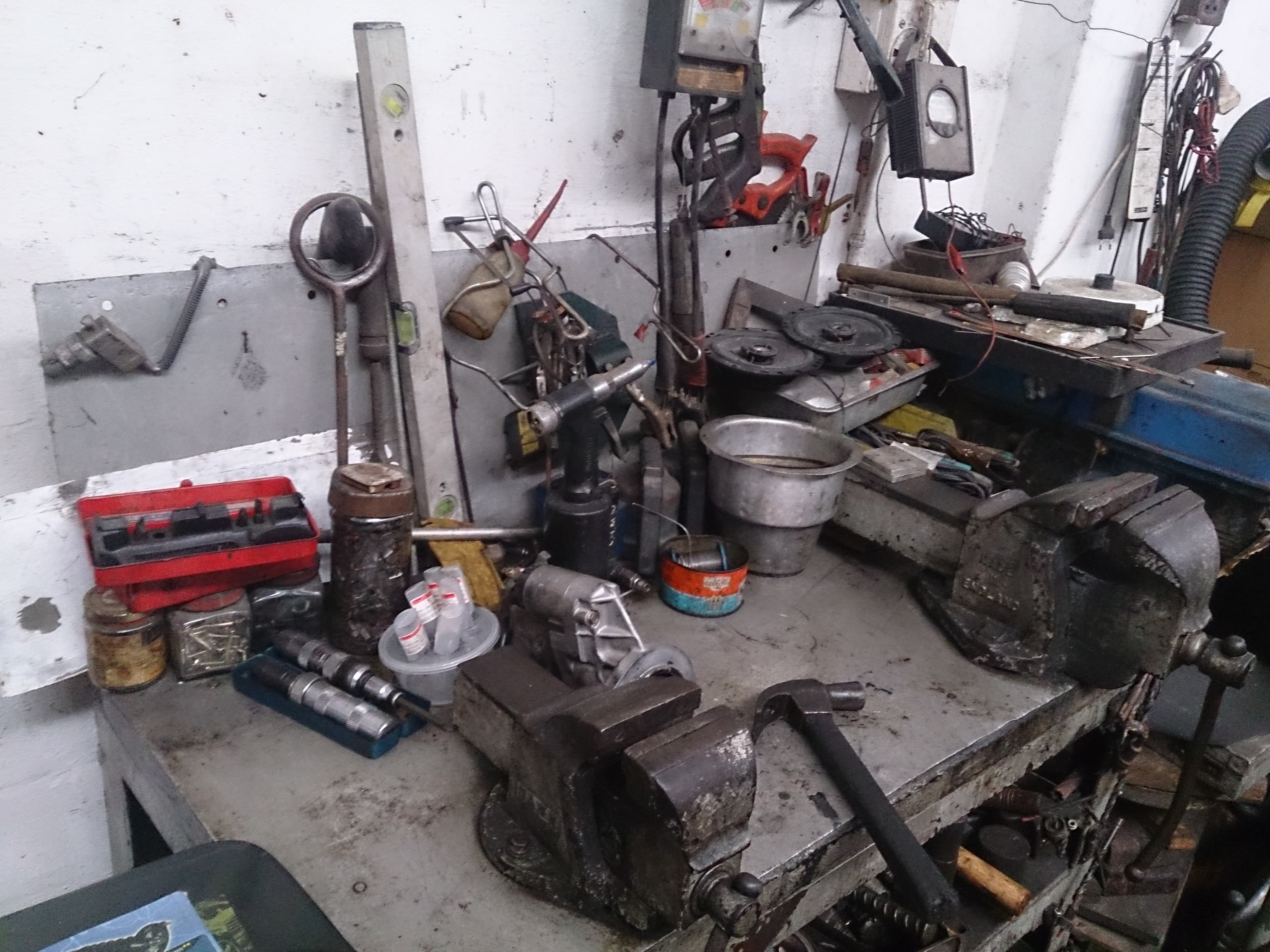
How to scale materials write-offs in work orders across multiple locations
When a tire workshop grows from one site to several, the old way of handling materials starts to break down. One branch writes off consumables from memory, another does it at the end of the shift, and a third forgets to attach the expense to the job at all. As a result, the owner is left with inconsistent stock data, uncertain margins, and weak control over costs.
In a modern tyre workshop CRM, write-offs should not be a separate admin task. They need to be part of one connected flow: booking → work order management → material usage → analytics. Current repair-shop software increasingly centers on multi-location inventory tracking, work-order linkage, and automatic deduction of parts or supplies from stock, which is exactly the direction multi-site operations need. (shopview.com)
Why manual write-offs stop working
Manual tracking can survive in a single shop for a while. In a network, the problems multiply quickly. Different technicians use different habits, branches apply different rules, and stock figures stop matching reality. That creates direct business risks:
- inventory is inaccurate across locations;
- purchasing becomes reactive instead of planned;
- job profitability is harder to measure;
- the owner cannot compare performance between branches;
- the link between work order management and workshop analytics weakens.
Important: if a material expense is not tied to a specific work order and a specific location, it is not real control — it is guesswork.
What needs to be standardized first
1. A single catalog of materials
Start with consistent item names, units of measure, and minimum stock thresholds. If one branch uses “sealant,” another uses “tire sealant,” and a third uses “sealant 300 ml,” the system will treat them as different items even when the business treats them as one cost category.
2. A write-off rule tied to the work order
Every consumable should be attached to a work order with clear logic: what was used, in what amount, on which service, and at which location. That is what makes service cost visible and keeps team accountability high without constant supervision.
3. One operating standard for all locations
If one branch writes off materials immediately and another does it once per day, you cannot compare the branches fairly. The same rules should define when the write-off happens, who confirms it, who can edit it, and how exceptions are handled.
Owner tip: do not rush into automation before you align the process. Standardize the rules first, then turn on reporting and location-level analytics. Implementation will be much smoother.
How this improves revenue
At first glance, write-offs look like a warehouse issue. In practice, they are a revenue issue too. Accurate material control helps you:
| Impact | What changes | Business result |
|---|---|---|
| More accurate cost base | Each work order shows real material usage | You know which services are profitable |
| Lower leakage | Consumables do not disappear between locations | Less hidden loss |
| Faster replenishment | Stock levels are visible in real time | Fewer stockouts and fewer delays |
| Stronger analytics | Data is captured by location and shift | You can see where revenue is growing |
That is why the combination of staff payroll logic, bookings, work orders, inventory, and analytics matters. The goal is not just to track supplies. The goal is to understand how materials affect profit at each location.
Common mistakes when scaling
- Using one shared stock view for all locations. It feels convenient early on, but it hides operational differences later.
- Posting write-offs only at the end of the day. This weakens the link between service and cost.
- No clear owner per location. If nobody is accountable for the data, the data quickly becomes unreliable.
- Too much manual input. The more spreadsheets and re-entry, the more mistakes.
- No branch-level analytics. Without it, margin leaks are impossible to spot quickly.
Practical rollout plan
Step 1. Document the process
Define exactly when a material is written off, who approves it, and how errors are corrected.
Step 2. Separate stock by location
Even if some materials are shared, the accounting should still be location-based. That is the foundation of accurate reporting.
Step 3. Attach every expense to a work order
This is the only reliable way to calculate service cost and compare technician performance.
Step 4. Set roles and permissions
The technician adds usage, the front desk verifies, and the owner reviews the numbers. That keeps the process clean.
Step 5. Review numbers per branch
Track revenue, material usage, average ticket size, and write-off share for each location. That turns inventory control into management intelligence.
Checklist before scaling
- One material catalog exists;
- Each location has its own stock view;
- Write-offs are linked to work orders;
- Editing and approval rules are defined;
- Branch and shift analytics are available;
- The owner can see how consumption affects revenue.
FAQ
Should each branch have its own inventory?
Yes. If you want an accurate picture of stock and consumption, each location needs its own accounting layer.
Can write-offs be entered at the end of the shift?
They can, but it is weaker for control. Real-time attachment to the work order is more reliable.
How do materials connect to profit?
Through service cost and branch analytics. Once usage is linked to the job, you can see which services really make money.
Is CRM really necessary for this?
For a multi-site workshop, yes. A tyre workshop CRM brings bookings, work orders, stock control, and reporting into one process.
How do you reduce team resistance?
Keep the rules short, consistent, and easy to follow. The fewer manual steps, the easier the rollout.
If you want materials write-offs to become a growth lever instead of a source of confusion, start with one standard across all locations. TyreCRM can help you connect bookings, work orders, stock, and analytics in a single system built for multi-site tire workshops.